

Millions of people around the world suffer from a condition called overactive bladder (OAB), which can result in sudden but frequent urination. It can also be a serious impairment to daily life, causing low self-esteem and social exclusion owing to unpleasant side effects (e.g. some treatment protocols require the production of urine for analysis).
Due to recent advances in healthcare, a large number of treatment options have been shown to be effective for OAB. We at LIPOFREEZE2U Dunstable have compiled the most powerful Incontinence Treatment to combat an overactive bladder and restore your quality of life.
Can Help Treat Urinary Incontinence Without Surgery
Understanding Overactive Bladder
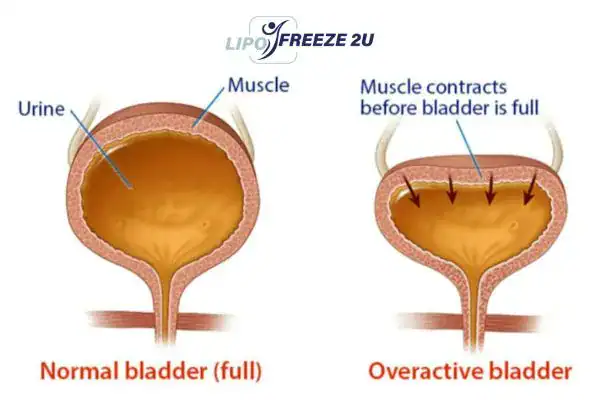
Overactive bladder is not a disease but a group of urinary symptoms characterised by:
- Urgency: A sudden, strong need to urinate that is difficult to delay.
- Frequency: Needing to pass urine more often than is usual for you.
- Nocturia: Waking from sleep to urinate.
- Urge incontinence: Leakage that happens after a sudden urge to urinate.
OAB symptoms are linked to changes in how the bladder stores urine and how the nervous system controls bladder activity. The exact reason is not always clear. Other conditions, including urinary infections, diabetes and some bladder or neurological problems, can cause similar symptoms, so an assessment is important.
What is the main cause of an overactive bladder?
InThere is not one cause that explains every case of overactive bladder. The bladder and nervous system work together to control when urine is stored and released. Changes in this process can contribute to urgency and frequent urination.
Factors that may be relevant include:
- Neurological conditions: Conditions such as multiple sclerosis, stroke or spinal cord injury can affect the signals between the brain and bladder.
- Age-related changes: Bladder symptoms become more common with age, although they are not an inevitable part of getting older.
- Menopause: Changes in oestrogen can affect the urinary and vaginal tissues and may contribute to urinary symptoms.
- Bladder irritants: Caffeine and alcohol can make urgency or frequency worse for some people.
- Other health conditions: Diabetes, constipation and urinary tract infections can contribute to symptoms or produce similar problems.
The cause is not always obvious. A GP can help check whether the symptoms are due to OAB or another condition
Overactive Bladder: Treatment Options
1. Regular Lifestyle Modifications
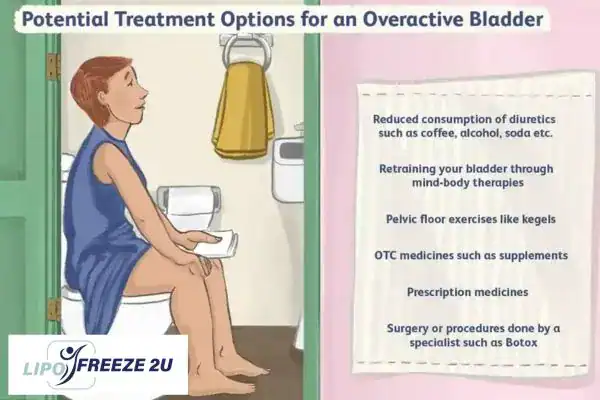
Changes to daily habits are often a useful starting point. What helps can vary, so it may take some time to work out which changes make a difference to your symptoms.
- Bladder training: Gradually increasing the time between toilet visits can help you manage urgency. A structured programme is often recommended for at least six weeks.
- Dietary changes: Try reducing caffeine first. Alcohol and certain other drinks may also make symptoms worse.
- Fluid intake: Avoid drinking too little. If you regularly drink large amounts late in the evening, adjusting the timing may help with night-time visits.
- Pelvic floor exercises: A suitable exercise programme may help improve bladder control, particularly when leakage is also present.
2. Medications
If changes to daily habits do not provide enough relief, a GP may discuss medication. The choice depends on your symptoms, medical history and the possible side effects.
- Antimuscarinic medicines: These reduce bladder muscle activity and can help with urgency and frequent urination. Possible side effects include dry mouth and constipation.
- Beta-3 agonists: Medicines such as mirabegron help the bladder relax while it fills. They may be considered when antimuscarinic medicines are unsuitable or have not helped enough.
- Local vaginal oestrogen: This may be considered for some postmenopausal women who also have vaginal or urinary symptoms associated with low oestrogen. It is not a general treatment for every case of OAB.
3. Behavioural Therapy
Behavioural approaches can help some people manage the impact of urgency. Bladder training is one option. A healthcare professional may also discuss ways to respond to sudden urges, such as pausing, relaxing and using a planned breathing technique rather than rushing straight to the toilet.
If bladder symptoms are causing anxiety or affecting your confidence, psychological support may also be helpful. It can help you manage the emotional impact, although it does not replace treatment for the bladder symptoms themselves.How to Treat Erectile Dysfunction Naturally: Top Remedies
4. Minimally Invasive Procedures
If symptoms continue despite initial treatment, a specialist may discuss other options. These are usually considered after reviewing the person’s symptoms, previous treatment and overall health.
- Botulinum toxin type A (bladder Botox): Injected into the bladder wall to reduce involuntary bladder muscle activity. It can help some people, but may make it harder to empty the bladder and can increase the risk of urinary tract infection.
- Sacral neuromodulation: A device is used to send electrical signals to nerves involved in bladder control. It may be considered when other treatments have not provided enough relief.
- Posterior tibial nerve stimulation (PTNS): A treatment that stimulates a nerve near the ankle. It is used in some specialist settings to help manage OAB symptoms.
Complementary & Alternative Therapies
Some people look into complementary approaches when dealing with bladder symptoms. However, these should not take the place of treatments recommended by a healthcare professional.
Acupuncture and herbal products have been studied for urinary symptoms, but the evidence is not strong enough to recommend them as established treatments for overactive bladder. Herbal products can also interact with prescribed medicines.
Biofeedback is different. It uses sensors to show how the pelvic floor muscles are working during exercises. A healthcare professional may use it to help someone understand and practise the correct muscle contractions, particularly if they find it difficult to do this on their own.
Psychological Impact and Support
A sudden urge to urinate can interrupt almost anything. You might leave a meal early, avoid a long car journey or turn down an invitation because you are unsure whether a toilet will be nearby. When this happens regularly, it can start to affect how freely you go about your day.
If this is affecting your daily life, mention it during your appointment. Support for anxiety or embarrassment can be useful alongside treatment for the urinary symptoms. Top Stress Incontinence Treatments That Can Improve The Quality of Life
Incontinence Treatment Dunstable: A Revolutionary Solution
Electromagnetic Pelvic Floor Treatment at Lipo Freeze 2U
Lipo Freeze 2U Dunstable offers a non-surgical treatment that uses electromagnetic stimulation to produce contractions in the pelvic floor muscles. The treatment is delivered externally, without injections or surgery.
Pelvic floor muscle function is relevant to bladder control, but overactive bladder can have several different causes. Strengthening these muscles does not necessarily address the bladder activity responsible for every case of urgency or frequent urination.
Electromagnetic stimulation should therefore not be presented as a proven replacement for bladder training, medication or specialist treatment for OAB. Whether it is appropriate depends on the individual’s symptoms, health history and the particular device being used.
Before considering a course, it is worth discussing:
- What the treatment is intended to address.
- Whether it is suitable for your particular symptoms.
- What evidence supports the device and proposed treatment schedule.
- What other treatment options are available.
- How progress will be assessed.
At Lipo Freeze 2U Dunstable, we encourage clients to understand the available options before deciding whether to proceed.
Prevention and Long-Term Management
Overactive bladder symptoms can change over time, so it is useful to keep track of how you are doing. A bladder diary can help you record how often you urinate, when urgency occurs, how much you drink and whether leakage happens.
If you are receiving treatment, follow-up appointments can help assess whether it is working and whether anything needs to change. Your GP or specialist can also discuss further options if symptoms return or do not improve.See our overactive bladder treatment Dunstable.
Combining Treatments for Optimal Results
Treatment for overactive bladder does not have to involve just one approach. Depending on the cause of your symptoms, a healthcare professional may recommend bladder training alongside medication or other treatment. The right combination will depend on your response and any other health conditions.
Frequently Asked Questions (FAQs)
Q: What causes an overactive bladder?
There is no single cause in every case. Overactive bladder symptoms are linked to changes in bladder activity and the signals that control urination. Neurological conditions, ageing, menopause and other health problems may also contribute. A GP can help check whether another condition is causing similar symptoms.
Q: Is Incontinence treatment safe?
The suitability and safety of electromagnetic pelvic floor treatment depend on the device being used and the individual’s health. It is not suitable for everyone, and it should not be assumed to treat all types of bladder symptoms. Ask the practitioner about the device, its intended use, possible risks and any reasons you may need to avoid treatment. If you have ongoing urinary symptoms, speak to your GP as well.
Q: How many Incontinence sessions will I need?
There is no single session schedule that applies to everyone. The proposed number of appointments should be explained before treatment, including the reason for the schedule and how any changes will be measured. Do not assume that completing a particular number of sessions will guarantee improvement.
Q: Can I combine Incontinence treatment Dunstable with other treatments?
Some treatments for overactive bladder can be used together, such as bladder training and medication. Whether electromagnetic pelvic floor treatment should be included is a separate question, as its benefits for OAB are not established. Discuss any treatments you are considering with your GP or relevant specialist before combining them.
Q: Will I experience immediate results?
Improvement is not guaranteed, and there is no reliable basis for promising a particular time for results from electromagnetic pelvic floor treatment for OAB. Ask how the treatment’s effects will be assessed and what the next step would be if your symptoms remain unchanged.
Q: Does Incontinence treatment hurt?
The sensation depends on the device and its settings. Electromagnetic stimulation produces repeated muscle contractions, which some people may find unusual or uncomfortable. Ask the practitioner what to expect and tell them if you experience pain during a session.
Q: Is an overactive bladder treatable?
Yes. There are several ways to manage overactive bladder symptoms, including bladder training, changes to daily habits and medication. Some people may also be offered specialist treatments if their symptoms do not improve. The most suitable option depends on the cause of the symptoms and how they affect you.
Final Thoughts & Your Real Options For Overactive Bladder
Overactive bladder can interfere with everyday life, but there are several treatment options worth exploring. Bladder training, changes to fluid and caffeine intake, medication and specialist procedures may all have a role, depending on the individual.
If you are experiencing urgency, frequent urination or leakage, start by discussing your symptoms with your GP. Finding out what is causing them will help you make a more informed decision about treatment.
At Lipo Freeze 2U, you can contact our team to ask about the treatments we offer and whether an appointment may be appropriate. You can also review our incontinence treatment prices